Bracing and Breathing
- Janae Reed
- Sep 14, 2025
- 3 min read

Why Bracing and Breathing Matter During Dumbbell and Bodyweight Workouts
When it comes to strength training, most people focus on the obvious: lifting more weight, doing more reps, or mastering new movements. But there’s a powerful and often overlooked foundation to every good workout—how you breathe and brace.

Whether you’re doing push-ups, lunges, dumbbell presses, or squats, the way you breathe and engage your core can make or break your performance. More importantly, it can be the difference between building strength safely or ending up with nagging pain and injuries.
What Is Bracing?
Bracing is the intentional activation of your core muscles to create a stable foundation for movement. Think of it like creating your own weightlifting belt with your abs, obliques, and lower back. When you brace properly, you protect your spine and improve your power output.
Contrary to what many people believe, bracing isn’t about sucking in your stomach—it’s about expanding your core 360 degrees and locking it in. This pressure protects your lower back and helps transfer force efficiently through your body.
Why Breathing and Bracing Go Together
Your breath plays a crucial role in how well you can brace. When you breathe shallowly (just into your chest), your core stays weak and unsupported. But when you learn to breathe deeply into your belly and ribs, you can create pressure that reinforces your spine and stabilizes your body.
This connection between breathing and bracing becomes especially important during full-body dumbbell and bodyweight movements. Without it, you’re not only less efficient—you’re also more vulnerable to poor posture, wobbly technique, and eventual pain.
Common Mistakes People Make
Holding Your Breath the Entire Time
While bracing does involve breath control, you shouldn’t hold your breath through the whole movement. Learn to time your breath with the hardest part of the lift—exhaling with effort—and resetting before your next rep.
Breathing Through the Chest Only
This leads to shallow, ineffective breathing. Chest breathing doesn't activate the diaphragm fully and leaves your core unsupported.
Sucking In Instead of Expanding
Many people try to "pull their stomach in" to protect their back. But this actually weakens your core. Proper bracing means expanding your belly and sides like you're preparing to be punched in the gut.
Ignoring Bracing During Light or Bodyweight Movements
Just because a movement doesn’t involve heavy weight doesn’t mean you can skip bracing. Bodyweight exercises like push-ups, lunges, and planks demand just as much core control to maintain good form and prevent strain.
How to Breathe and Brace Effectively
Here’s a simple process to practice during your workouts:
Start with Diaphragmatic Breathing
Lie on your back with one hand on your chest and one on your belly. Take deep breaths into your belly, feeling it rise and expand into your sides and lower back. Your chest should stay relatively still.
Create Intra-Abdominal Pressure
Once you can breathe into your belly, try this:
Take a deep breath in.
Expand your belly, sides, and lower back.
Slightly tighten your abs like you’re preparing to take a hit.
Hold that brace while moving through the rep. Exhale as you exert force.
Apply It to Movements
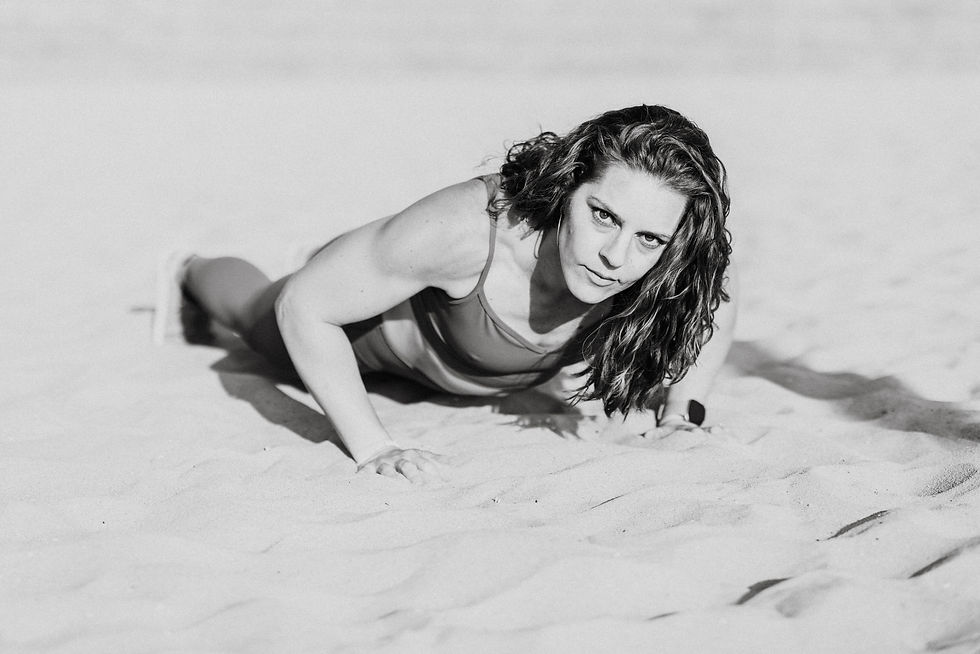
Push-Ups: Inhale at the top, brace, lower with control, exhale as you push up.
Squats: Inhale before you drop, brace at the bottom, exhale as you stand.
Overhead Press: Inhale and brace before pressing, exhale at the top.
The Payoff: Stronger, Safer, More Efficient Movement
Learning how to breathe and brace isn’t just for advanced athletes. It’s for anyone who wants to:
Prevent lower back pain
Improve posture
Generate more power
Move with better control and precision
Whether you're working out at home with dumbbells or doing bodyweight workouts in the park, these fundamentals apply.
Don’t overlook the basics. Master your breath. Brace your core. Build strength from the inside out.
Remember: You don’t need more reps or heavier weights to make progress—you need better control. Start with your breath, and everything else will fall into place.


Comments